
Loading...
Serving Brea, CA and surrounding areas. (657) 478-7492
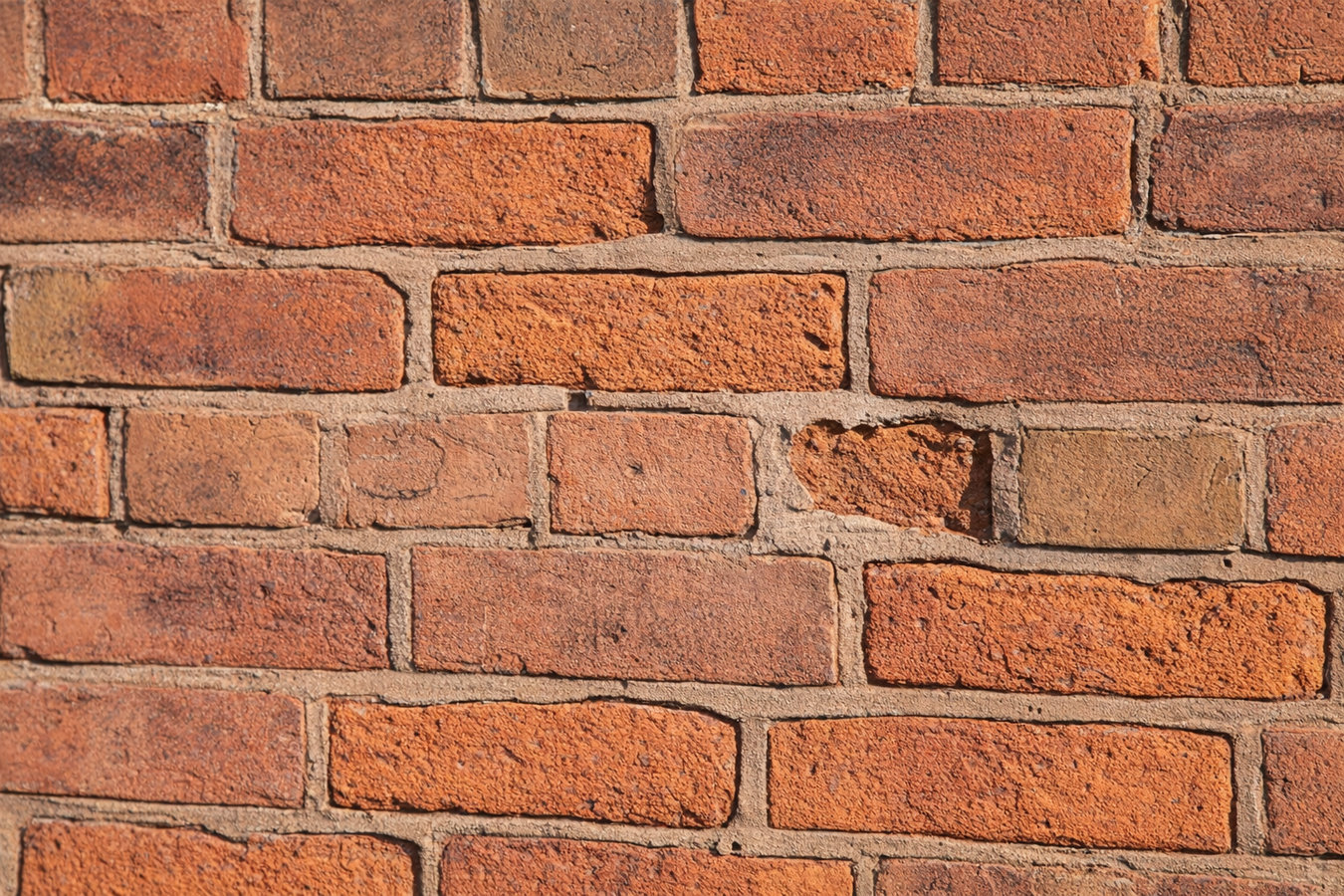
Crumbling mortar on your chimney or brick wall is not just a cosmetic problem. We remove the failed material and repack it correctly so your brickwork keeps water out for decades.
Brick pointing in Brea is the process of removing old, deteriorated mortar from the joints between bricks and replacing it with fresh material - most jobs on a single chimney or wall section are completed in one to three days depending on the surface area and condition of the existing mortar.
Mortar is the sacrificial layer in any brick structure - it absorbs moisture and movement so the bricks themselves do not crack. Most mortar has a natural lifespan of 25 to 50 years. Many homes in Brea were built in the 1950s through 1980s, which means a large portion of the brick chimneys and decorative brick features on those properties are at or past the point where the mortar needs attention. If you have noticed white staining on your chimney, soft or crumbling joints, or water near your fireplace after a rainstorm, those are signs the mortar is failing. A related service like foundation repair may also be needed if water has been getting in long enough to cause damage at the base.
The fix is straightforward when caught early. We grind or chisel out the old mortar to a consistent depth, pack in fresh mortar matched to your existing brick profile, and shape the joint so it sheds water correctly. Done right, the work is nearly invisible within a few weeks as the new mortar cures to match the surrounding color.
Run your finger along the joints on your chimney or a brick wall. If the material feels soft, sandy, or flakes away with light pressure, it has lost its binding strength. Mortar in this condition is no longer keeping water out - even if the bricks themselves look fine.
Stand back and look at your brick surface in good light. Dark gaps, jagged cracks, or spots where mortar has fallen out entirely are letting moisture directly into the wall. In Brea's dry climate, this damage often shows up first on south-facing walls that take the most sun exposure.
White, chalky streaks on brick - called efflorescence - happen when water moves through the wall and carries dissolved salts to the surface. It is a reliable sign that moisture is getting in somewhere, and failing mortar joints are the most common entry point. This is especially worth watching after Brea's winter rain season.
Living near the Whittier Fault means your brick surfaces take small hits over time that are not always obvious. Even minor shaking that you barely felt can widen hairline cracks in mortar. If a quake rattled dishes in your home, it is worth having a mason take a close look at your chimney - particularly at the joints near the roofline.
We handle brick pointing on chimneys, exterior walls, decorative brick features, and garden structures. The most common call we get in Brea is chimney repointing - older homes with brick chimneys from the 1960s and 1970s are well past the natural lifespan of the original mortar, and many have never been touched. We also do partial repointing on walls where only certain sections have failed, which is a more targeted and cost-effective option when the rest of the surface is still in good shape.
Every job starts with a surface inspection where we walk the brick with you and describe what we see - what needs attention now, what can wait, and what looks fine. We use mortar mixes matched to the original joint profile and color so the repair blends in as it cures. If your brick also shows structural concerns - cracks in the bricks themselves, not just the mortar - we can advise whether brick repair is the right next step rather than pointing alone.
Best for older Brea homes where the original mortar has reached or exceeded its natural lifespan and water intrusion is a concern.
Best for walls where specific sections have failed while the rest of the surface is still solid - more targeted and cost-effective than a full repoint.
Best for garden walls, front entry features, and outdoor structures where mortar wear has affected the look and weather resistance of the surface.
Best for Brea homeowners who want a professional assessment after a seismic event to catch widened joints or hairline cracks before they become a water problem.
Brea has a few conditions that accelerate mortar wear beyond the national average. Summer temperatures regularly climb above 95 degrees, and the low humidity during those months causes mortar to dry out and shrink gradually - south- and west-facing walls take the most punishment and tend to show deterioration first. The Santa Ana winds that roll through in fall and winter carry fine dust and debris that act like sandpaper on exposed mortar joints, wearing them down faster than normal weathering alone. Homeowners with east- or northeast-facing brick surfaces often see faster wear than they expect because of this.
The seismic factor is one that catches many Brea homeowners off guard. The city sits near several active fault systems, and even small earthquakes that barely register in daily life can widen hairline cracks in mortar over time. We regularly see chimneys in established neighborhoods like those near Fullerton and La Habra with cumulative seismic wear that was never addressed - and a few more wet winters turn minor joint deterioration into active water intrusion. Catching it at the pointing stage, rather than waiting for interior water damage, is almost always the less expensive path.
Call or send us a message describing the brick surface and what you are seeing. We reply within one business day. Sending a photo helps us give you a rough idea of scope before the site visit.
We walk the surface with you and show you exactly what needs attention - areas of active failure, sections that are borderline, and spots that look fine. You get a written estimate that covers the full scope before we schedule any work.
If your home is in a Brea HOA community, we help you put together the simple approval request the association typically needs. This usually takes one to two weeks, so it is worth starting early if you have a target timeline.
We grind out old mortar, pack in fresh material matched to your existing profile, and clean up the site. Before we leave, we walk the finished work with you and explain the curing period - typically 24 to 48 hours before the surface should get wet, and up to a month for full hardness.
We tell you what needs attention now and what can wait. Free written estimate. No obligation.
(657) 478-7492We tell you what needs attention now and what can wait. If only one section of your chimney has failed, we quote for that section - not a full repoint you do not need. That approach builds the kind of trust that brings homeowners back for the next project.
We use mortar mixes selected for Southern California's heat, low humidity, and seismic movement - following standards set by the Brick Industry Association. The right mix cures correctly in Brea summers and stays flexible enough to handle small seismic shifts without cracking the bricks.
When we assess a chimney or brick wall in Brea, we look for earthquake-related joint widening - not just surface wear. Homeowners near the Whittier Fault zone sometimes have cumulative seismic damage that never gets flagged until it becomes a water problem. We flag it early.
We have worked in Brea HOA communities and know what documentation they typically require for exterior masonry work. We help you put together the approval submission so there are no mid-project surprises about permit or association requirements.
Brick pointing is one of those jobs where doing it right the first time is far less expensive than doing it twice. We work in Brea and neighboring cities every week, and we understand the local conditions that affect how long a pointing job actually lasts.
For mortar standards and best practices, refer to the Brick Industry Association. For permit questions, contact the City of Brea Building Division. To verify contractor licensing, use the California Contractors State License Board.
Address structural concerns at the base of your home when water from failing mortar has caused deeper damage.
Learn MoreReplace cracked or spalled bricks when the damage has moved beyond the mortar joints into the brick face itself.
Learn MoreFall is the ideal time for mortar work in Brea - mild temperatures mean better curing and longer-lasting results. Reach out now for a free written estimate.