
Loading...
Serving Brea, CA and surrounding areas. (657) 478-7492
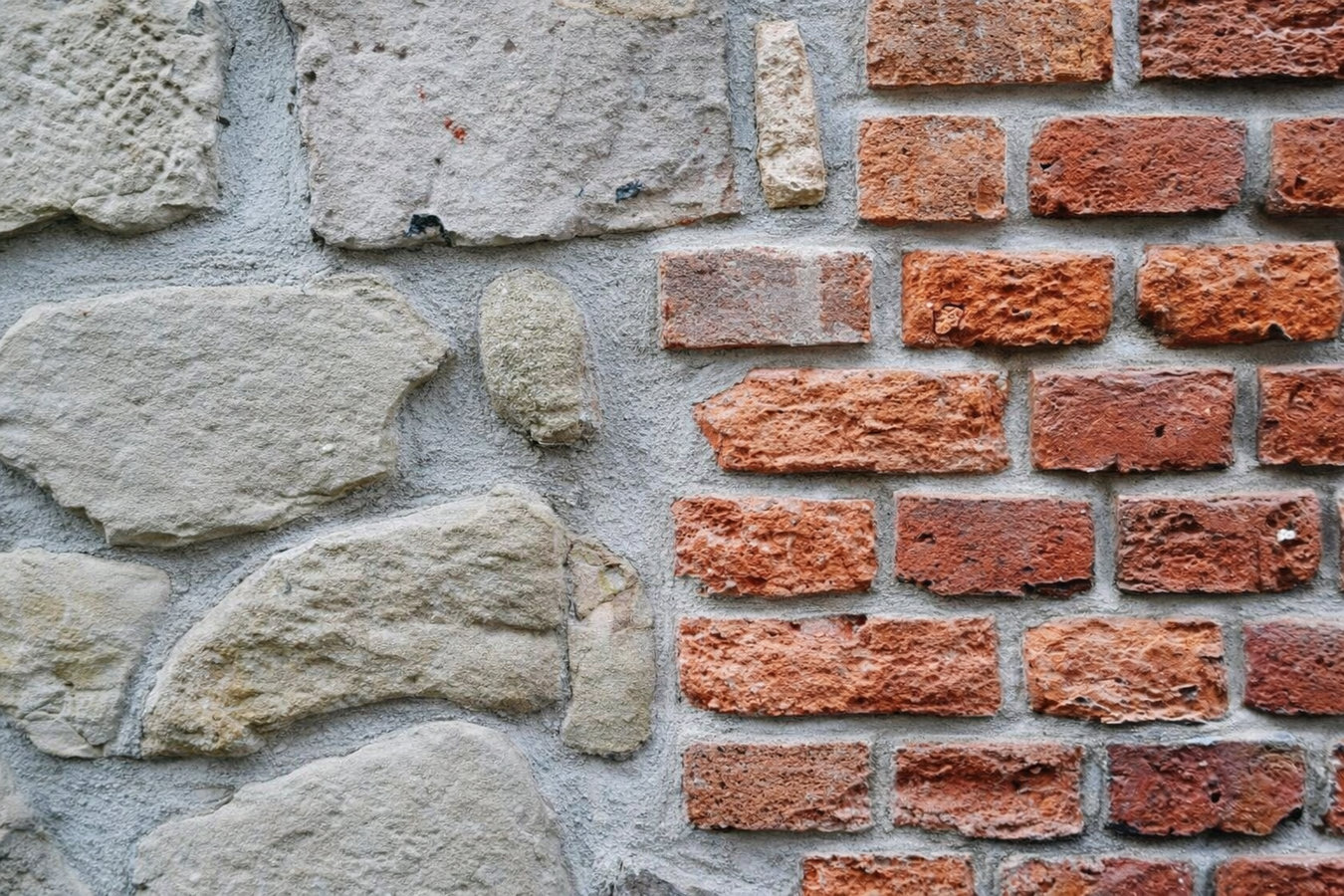
Crumbling mortar and spalling brick on a Brea home get worse every rainy season. We repair and restore masonry using matched materials so the finished work blends in and holds up.
Crumbling mortar and spalling brick on a Brea home get worse every rainy season. We repair and restore masonry using matched materials so the finished work blends in and holds up.
Masonry restoration in Brea, CA means repairing cracked, crumbling, or deteriorated brick, block, or stone without tearing everything out - most residential jobs cover tuckpointing, crack repair, and surface sealing, and a typical project wraps up in one to three days on site.
A large share of Brea homes were built between the 1960s and 1980s. That means brick planters, block walls, and chimney stacks that are now 40 to 60 years old - well past the point where original mortar holds without attention. Brea's wet winters followed by dry, hot summers create a cycle that quietly breaks down mortar year after year. By the time white staining or surface cracks are visible, water has usually already been moving through the wall for some time.
When the underlying structure is sound but the surface has deteriorated, restoration is nearly always less expensive than replacement. Projects that have progressed further - a leaning wall or a chimney with deep structural damage - may call for our fireplace installation service or a full rebuild, but a site visit will clarify which path makes sense.
Run your finger along the lines between bricks or blocks. If the mortar feels soft, sandy, or crumbles with light pressure, it has lost its ability to keep water out. This is the most common finding on Brea homes built in the 1960s and 1970s, where original mortar has simply reached the end of its lifespan. Repointing now is far cheaper than dealing with water damage later.
Cracks that appear or grow after Brea's winter rain season or after a noticeable tremor deserve attention. Stair-step cracks - ones that follow the mortar joints diagonally across a wall - often mean the wall is moving slightly from soil shifting or uneven settling. These do not always signal danger, but they do mean a professional should take a look before the next wet season.
That white powder - called efflorescence - appears when water moves through the masonry and leaves mineral deposits behind as it evaporates. In Brea it shows up most often on north-facing walls and retaining walls that hold soil. It is a reliable early warning that the mortar or waterproofing has failed somewhere, and the source needs to be found and sealed.
Stand back and look at the top of your chimney. A cracked concrete cap or dark, recessed mortar near the top means water is almost certainly getting in. Chimney damage is easy to ignore because it is out of sight, but in Brea's rainy season a compromised chimney crown can send water into your attic and walls in a single wet winter.
We handle the full range of masonry restoration work - from tuckpointing and mortar repointing on brick planters and block walls to crack stitching, spall repair, chimney crown rebuilding, and surface waterproofing. Every repair starts with a careful assessment of what actually caused the damage, because fixing the symptom without addressing the cause just means the same problem returns. We match mortar color and texture as closely as possible to the surrounding material so the finished work looks like it was always there.
For homeowners dealing with structural masonry that needs more than surface work, we connect the restoration scope to related services. A retaining wall with deep cracking may need new drainage before the surface is restored - that is work we cover through our fireplace installation service when firebox masonry is involved, or through a full rebuild when the wall itself has shifted. When the surface of decorative stone or cladding is what needs attention, our stone masonry service handles repairs to natural and cut stone. The Brick Industry Association publishes technical standards for mortar specification and repair methods that we follow for material selection and application technique.
Best for homeowners with aging brick or block walls where the mortar joints are soft, recessed, or crumbling - the most common repair on Brea homes from the 1960s through the 1980s.
Best for walls with stair-step or diagonal cracks caused by soil movement, settling, or seismic activity - repairs the visible damage and stabilizes the wall against further movement.
Best for homeowners who notice cracked mortar at the top of the chimney or a concrete cap that has split - stops water entry at the source before interior damage occurs.
Best for brick or block faces that are chipping, flaking, or staining repeatedly - repairs the surface and seals it against the wet-dry cycle that drives deterioration in Brea's climate.
Brea sits in a climate that is harder on masonry than it looks. Rain arrives fast between November and March, soaks into mortar joints that have been drying out all summer, and then the cycle repeats. Over 40 to 60 years - which is exactly how old many Brea homes are - that repeated stress adds up. The areas near Carbon Canyon and the Puente Hills add another factor: hillside lots with soil that moves more than flat properties, and retaining walls that carry that load year after year. We work on properties throughout Brea and know which neighborhoods tend to show which types of deterioration first.
Seismic activity is a background reality throughout this part of Southern California. Small tremors that are barely noticeable can gradually widen mortar joints and separate bricks from their surrounding material over years. This is not unique to any one neighborhood in Brea, but properties in Yorba Linda and other hillside communities nearby see similar patterns. HOA rules in Brea's planned communities also shape what restoration work has to look like - we are familiar with the typical appearance standards and can help you get material samples approved before work begins.
We ask a few basic questions - what type of surface is damaged, roughly how large the area is, and whether you have noticed any water getting through. We schedule an on-site visit, typically within a few days, because masonry problems are hard to assess accurately without seeing them. We respond to all inquiries within one business day.
We walk the area with you, show you exactly what we see, and explain what needs attention now versus what can wait. You receive a written estimate before any work is agreed to - scope, materials, and cost all in writing so there are no surprises. If a permit is required, we tell you at this stage and handle the application.
The crew arrives with tools, matched mortar, and repair materials. For repointing work they carefully grind out damaged mortar and pack in fresh material - dusty and noisy, but contained. Most residential jobs in Brea wrap up in one to three days. Your floors and surrounding surfaces are protected before work begins.
When the job is done, we walk every repaired area with you and point out everything that was addressed. Fresh mortar needs 24 to 72 hours to set before getting wet, and up to 28 days to reach full strength. We leave you with clear written instructions - no pressure washing, no heavy irrigation near the wall - so the repair lasts as long as it should.
Free on-site estimate. Written quote before any work begins. We respond within one business day.
(657) 478-7492We select mortar by color, texture, and composition to blend with the material around it. A repair that stands out visually means the color matching was skipped. We take the time to get it right because the goal is a wall that looks like it was never touched, not a wall that looks patched.
Structural masonry work in Brea requires a permit, and many neighborhoods have HOA appearance standards on top of that. We handle the permit application when it is required and have worked in Brea's HOA-governed communities enough to know what approval documentation is needed before work starts.
We assess cracks and joint damage with Brea's specific conditions in mind - the wet-dry seasonal cycle, the clay-heavy soils near hillside lots, and the seismic activity that quietly widens joints over time. That context changes how damage is interpreted and what the right repair actually is. The International Masonry Institute trains and certifies masonry workers to these kinds of diagnostic standards.
Every job starts with a written quote that covers scope, materials, and cost. Nothing begins until you have reviewed and agreed to it. If something unexpected comes up during the work, we stop and tell you before continuing - not after the fact when the cost has already changed.
These credentials and practices matter most in a market like Brea, where many homes are at the age where deferred masonry maintenance becomes visible quickly and repair costs climb the longer it waits. A contractor who knows the local conditions and communicates clearly is the difference between a repair that holds for decades and one that has to be redone in five years.
Install a new gas or masonry fireplace in your Brea home, from firebox construction to chimney building and permit handling.
Learn MoreRepair or install natural and cut stone features - walls, steps, and decorative accents - using material matched to your existing stonework.
Learn MoreFailing mortar and open cracks let in water fast once November rains arrive - call now to schedule your free on-site estimate and get the repair done while conditions are still good.