
Loading...
Serving Brea, CA and surrounding areas. (657) 478-7492
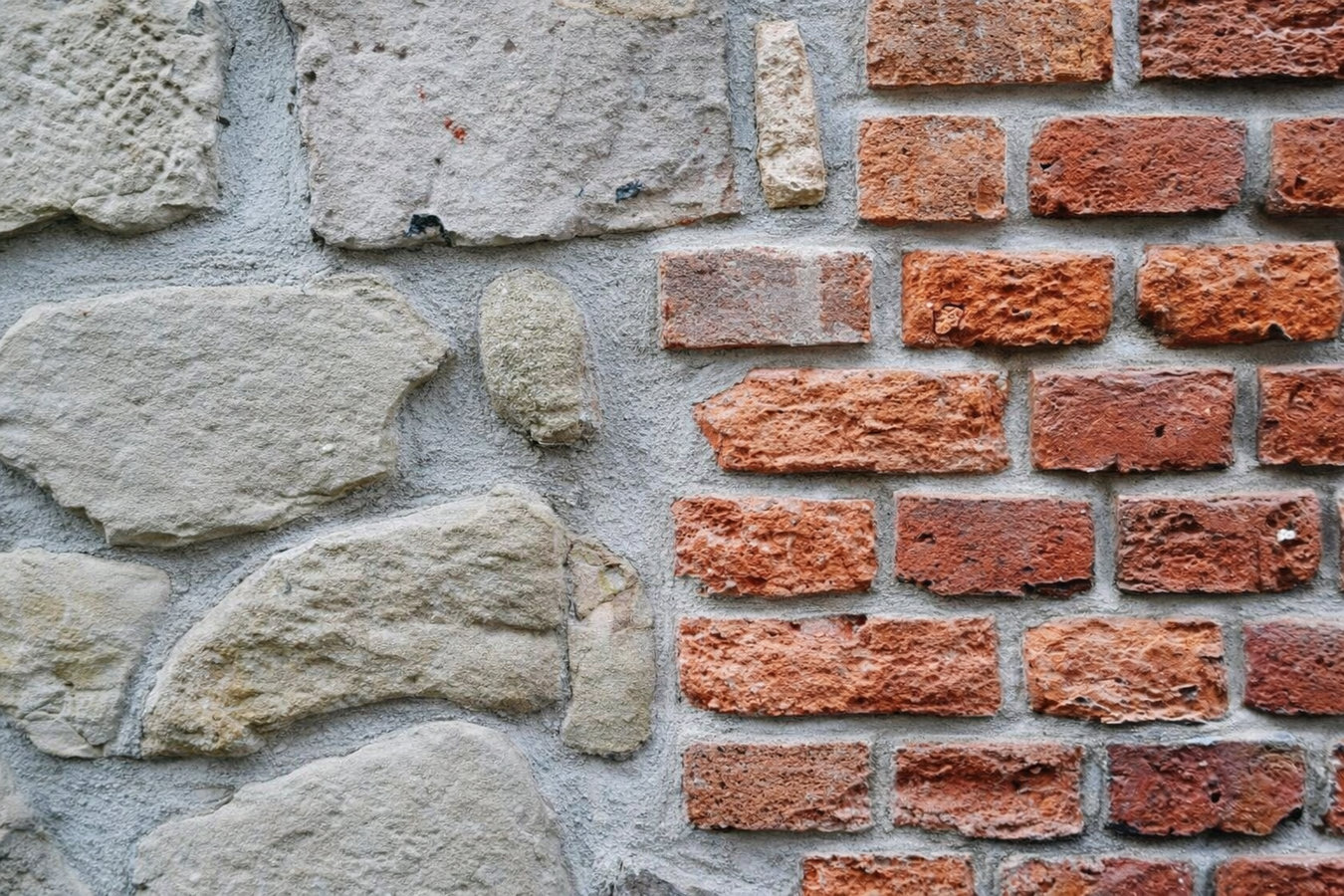
Brea Concrete & Masonry is a masonry contractor serving Brea, CA with foundation repair, masonry restoration, and retaining wall construction built for the clay soils and hillside lots that are common throughout the city. Locally owned and operating in Brea since 2018, we respond to new inquiries within one business day.
Brea's 1970s and 1980s housing stock is at the age where original brick, block, and mortar starts to show real wear. We assess the full condition of aging masonry and restore it structurally - not just cosmetically - so the work holds through future wet winters and hot summers. If your home's exterior masonry is cracking or deteriorating, learn more about our masonry restoration service.
Clay-heavy soil beneath much of Brea expands and contracts through every wet and dry season, gradually pushing and pulling at foundations. Homes built in the 1950s through 1980s often have foundations that were not engineered with these soil conditions in mind. We inspect, diagnose, and repair - addressing the drainage and soil factors, not just the crack you can see.
Many Brea homes near Carbon Canyon and the Puente Hills foothills sit on sloped or graded lots that need retaining walls to hold the grade and direct drainage away from the structure. Walls from the 1970s and 1980s frequently lack the drainage cores required by current code, making them prone to hydrostatic pressure failure after heavy winter rain. We build new walls and rebuild failing ones to current standards.
The dry, high-UV summers that Brea sees every year dry out mortar joints and accelerate cracking in chimney masonry. Santa Ana winds in fall and winter can loosen caps and flashing that were already marginal. We repair mortar, re-flash bases, replace caps, and restore chimney crowns so your fireplace is safe to use when the weather finally turns cool.
Brea's seismic activity near the Whittier Fault can crack individual bricks and open mortar joints across a facade over time. Stucco-and-brick construction common in mid-century Brea homes also lets moisture migrate behind the face when joints fail. We replace damaged brick, repoint joints with matched mortar, and address any substrate issues before they spread.
Brea's clay soils shift seasonally, and that movement is especially hard on poured concrete driveways that have no joints to absorb the stress. Paver driveways flex with minor soil movement and can be reset without full replacement when settling occurs. Many Brea homeowners in planned communities also choose pavers to meet HOA aesthetic guidelines while getting a surface that ages better than plain concrete.
Most of Brea was developed between the 1950s and 1990s. That means a large share of the city's homes are now 35 to 70 years old - old enough that original concrete flatwork, mortar joints, and masonry structures are approaching the end of their designed service life. The hot, dry summers deliver constant UV stress to exterior masonry and stucco. When winter rain arrives - usually concentrated in a few heavy events between November and March - it hits soil that can barely absorb it fast enough, which increases hydrostatic pressure against foundations and retaining walls.
Brea's location at the base of the Puente Hills adds two more layers of complexity. Homes on graded hillside lots, particularly in neighborhoods near Carbon Canyon Road, often sit on cut-and-fill pads where part of the foundation rests on original soil and part on fill. That combination creates uneven settling over time. The city is also close to the Whittier Fault, and even moderate seismic events can accelerate deterioration in masonry that was already under stress. A masonry contractor who has not worked specifically in Brea may not think to account for these factors when diagnosing a problem or planning a repair.
Our crew works throughout Brea regularly, pulling permits from the City of Brea Building Division for structural masonry work. We know which neighborhoods sit on flatter valley-floor lots and which are in the hillside areas where sloped driveways, tiered yards, and older retaining walls are the norm.
Brea is a compact city where you can drive from the commercial stretch along Imperial Highway near the Brea Mall to the trailheads near Carbon Canyon Regional Park in under ten minutes. That range means the homes we work on can be very different - a 1970s ranch house on a flat lot near Downtown Birch Street and a hillside home backing up to open space near the Puente Hills present completely different masonry challenges. We know both.
Homeowners in neighboring Fullerton, CA face many of the same clay soil and aging housing stock challenges as Brea. We also work across Placentia, CA just to the south, where retaining walls and drainage are frequent needs on the hillside lots that transition between the two cities.
Reach out by phone or through our contact form and we will respond within one business day. We will ask a few questions about what you are seeing - where the cracks or damage are and how long you have noticed the problem - so we can come prepared.
We visit your property to measure the damage, check drainage and soil conditions, and assess any nearby factors that may be contributing to the problem. We explain what we find and give you a written estimate before any work starts - no obligation to proceed.
For structural masonry work in Brea, we pull the required permit through the City of Brea Building Division - this is included in the written estimate, not added later. Once the permit is issued, we schedule the crew and give you a timeline.
Most masonry jobs in Brea take one to four days of active work. We protect landscaping and hardscaping around the work area and leave the site tidy at the end of each day. A final walkthrough with you covers what was done, what to watch for, and your warranty.
We serve all of Brea - from the flat neighborhoods near Imperial Highway to the hillside streets up near Carbon Canyon. No obligation, no pressure.
(657) 478-7492Brea is a city of roughly 47,000 people in northern Orange County, bordered by Fullerton to the west, Placentia to the south, and the Puente Hills to the north and east. The city grew rapidly after oil production declined in the mid-20th century, and most of its residential neighborhoods were developed between the 1950s and 1990s. Single-family homes - primarily ranch-style and split-level tract homes with stucco exteriors and concrete slab foundations - make up the dominant housing type. About 58% of housing units are owner-occupied, giving the city a stable, long-term-resident character. Downtown Brea along Birch Street is known for its public art collection and is a central gathering point for residents.
The northeastern edge of the city transitions into hillside terrain as Carbon Canyon Road heads toward Carbon Canyon Regional Park and the Puente Hills Preserve beyond. Homes in this part of Brea sit on graded lots with different drainage and soil profiles than the flat valley-floor neighborhoods near the Brea Mall corridor on Imperial Highway. For masonry work, this divide matters: a contractor who only knows flat-lot construction in Southern California may not be prepared for what a sloped, cut-and-fill lot in Brea's hill neighborhoods actually requires. We also regularly serve nearby Yorba Linda, CA, where hillside properties and HOA-governed communities present similar masonry considerations to those found in Brea's northeastern neighborhoods.
Control erosion and shape your landscape with solid retaining walls.
Learn MoreEnhance curb appeal with beautiful, low-maintenance stone veneer.
Learn MoreEstablish a solid block wall foundation built to last for decades.
Learn MoreCreate a stunning outdoor kitchen built from quality masonry materials.
Learn MoreCall us today or submit a request online - we cover all of Brea and respond within one business day. The estimate is free and there is no obligation.