Loading...
Serving Brea, CA and surrounding areas. (657) 478-7492
Brea Concrete & Masonry is a masonry contractor serving Diamond Bar, CA with stone masonry, retaining wall construction, and concrete repair designed for the hillside terrain and 1960s-1980s housing stock that define most of the city. We have served the Diamond Bar area since 2018 and respond to new inquiries within one business day.
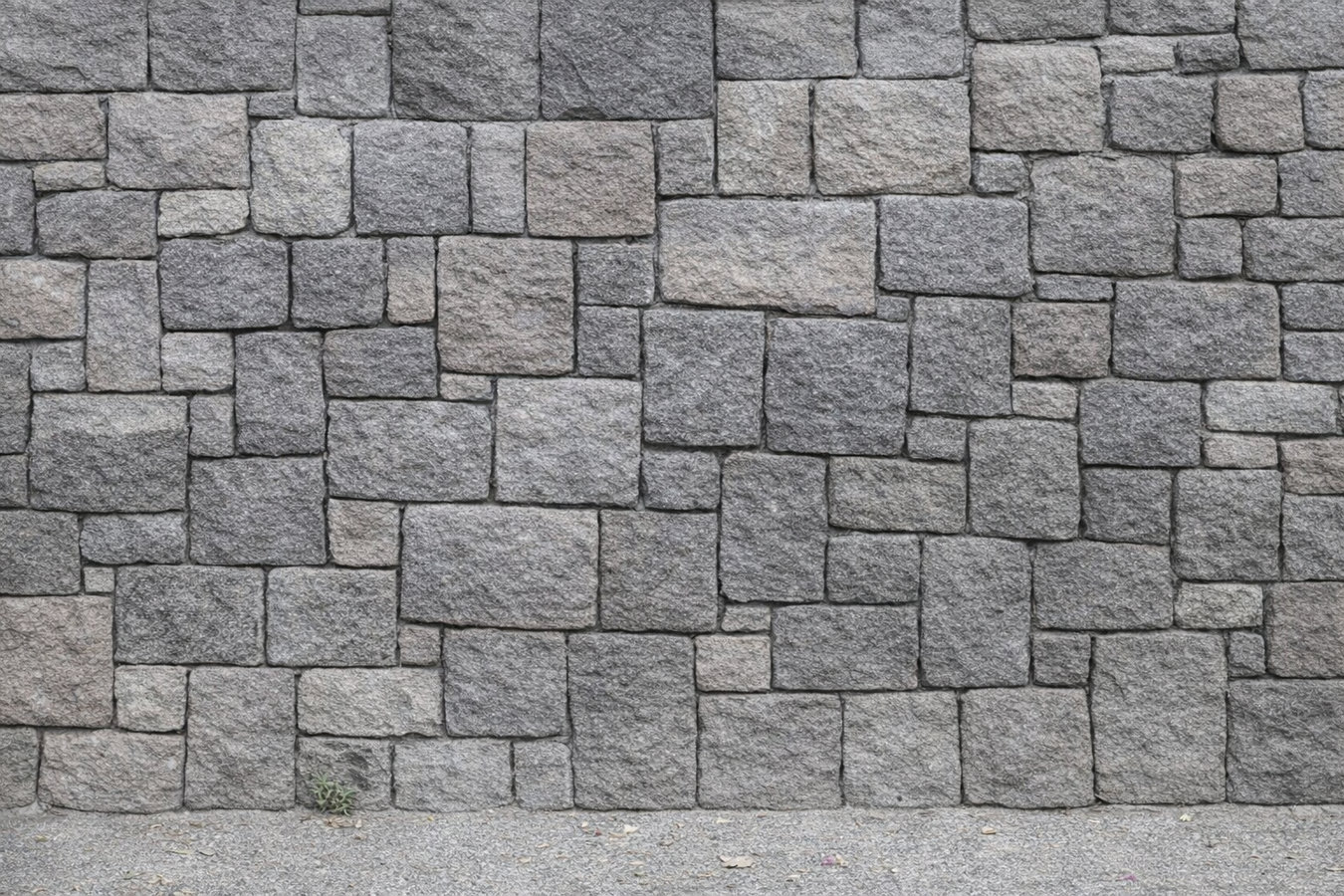
Diamond Bar homeowners on hillside lots frequently choose natural stone for retaining walls, entry features, and garden walls because it handles the drainage and soil pressure that concrete block struggles with on steep grades. Stone also complements the ranch and traditional-style homes that are common throughout the city, giving the exterior a finished look that holds up in Southern California heat without paint or stucco upkeep. Read about our full stone masonry service to see the material options and what the process involves.
Sloped and terraced lots are the norm in Diamond Bar, and many of the retaining walls that came with those properties were built to older standards without the weep holes and drainage aggregate that current Los Angeles County code requires. When those walls start leaning or cracking horizontally after a wet winter, they need to be rebuilt from the footing up - not just patched at the face. We size and reinforce new walls for the actual soil and drainage conditions on each Diamond Bar hillside lot.
Steep driveways on Diamond Bar hillside lots are one of the most stress-tested surfaces in the home. The combination of thermal expansion, clay soil movement, and vehicle load on an incline cracks standard concrete faster than on flat ground. Interlocking pavers on a well-prepared base handle minor slope movement by flexing slightly rather than fracturing, and individual units can be reset if settling occurs without a full tear-out.
Diamond Bar homes built during the 1960s and 1970s building boom were constructed on expansive clay soils that were not always properly compacted or accounted for in the original slab design. Decades of wet winters and dry summers have caused subtle but cumulative shifting in many foundations throughout the city. Sticking doors, diagonal drywall cracks from window corners, and sloping floors are the first signs a Diamond Bar homeowner will notice before the problem becomes more costly to address.
Many Diamond Bar homes built between the 1960s and 1980s have original concrete walkways that are now cracked, heaved, or misaligned from decades of clay soil movement. New walkways on sloped lots require proper drainage integration and a stable base to prevent the same cracking from recurring within a few years. We design walkways on Diamond Bar properties with the slope grade and drainage plan in mind, not just the finish surface.
Diamond Bar's fall and winter Santa Ana wind events put regular stress on chimney crowns, flashing, and mortar joints. Homes in the foothills near Summitridge Park and the eastern hillside neighborhoods face the strongest gusts, and chimneys that already have dried-out mortar from decades of Southern California heat cycles are vulnerable to rapid damage during those events. Repointing the crown and joints and installing a quality cap prevents water from entering the flue between wildfire smoke seasons.
Diamond Bar was developed rapidly between the late 1960s and the 1980s, and most of the housing stock is now 40 to 60 years old. Homes from this period were built on expansive clay soils that were common throughout the Pomona Valley foothills, and the concrete flatwork, retaining walls, and masonry structures installed during that era were not designed with those clay soils fully in mind. The result is a city where cracked driveways, leaning retaining walls, and open mortar joints are routine maintenance issues on nearly every block. A masonry contractor who has not worked Diamond Bar's hillside lots before may correct what is visible without accounting for the drainage and soil movement driving the problem.
Diamond Bar's climate adds to the load on masonry structures year-round. Summers here are hot and dry, with sustained heat in the mid-90s°F that expands concrete and mortar and dries out any joint compound not formulated for Southern California conditions. Winter rain arrives in concentrated bursts between November and March, and sloped lots channel that water against foundations and retaining walls faster than the drainage systems on older properties can handle. Santa Ana winds in fall and early winter add mechanical stress to chimneys, fencing, and any masonry that is already cracked. Managing these conditions together is what separates a repair that holds from one that fails again by the following season.
Our crew works throughout Diamond Bar regularly, and we understand the local conditions that affect masonry contractor work here. Diamond Bar sits within Los Angeles County, so structural permits - including retaining walls above 4 feet and foundation work - are issued by the LA County Building and Safety Division. We pull those permits before structural work begins and coordinate with county inspectors so the process does not delay your project.
Diamond Bar is centered around the 57 and 60 freeway interchange in eastern LA County, and most residential neighborhoods branch off Grand Avenue, Diamond Bar Boulevard, and Golden Springs Drive. The Diamond Bar Center near Summitridge Park is one of the city's main orientation points, and homes in the hills above it are among the most steeply sloped properties we work on. The older ranch neighborhoods near Diamond Bar High School along Diamond Bar Boulevard tend to have the most original 1970s concrete flatwork and masonry that is now due for replacement. We also work regularly in neighboring Rowland Heights, CA to the west, where similar hillside conditions and housing ages create the same types of masonry repair needs.
For homeowners in the newer neighborhoods near the eastern edge of Diamond Bar and along the Tres Hermanos corridor, tile-roof homes from the late 1980s and 1990s often have brick or block planter walls, entry columns, and stucco chimneys that are now showing their first signs of aging. Those projects are straightforward repairs that prevent more expensive water damage if caught in the early stages.
Reach us by phone at (657) 478-7492 or through the contact form. We respond to every Diamond Bar inquiry within one business day and schedule an on-site visit at a time that works for you - no extended waiting periods.
We visit the property, assess the masonry structure or concrete surface, and review the slope and drainage situation on the lot. For Diamond Bar hillside properties, understanding what is happening below the surface matters as much as the visible damage. You receive a written estimate before any work begins - no surprise charges after the job starts.
For structural projects - retaining walls, foundation work, or chimney rebuilds - we pull the required LA County permits before the first shovel goes in. Permitted work is inspected by the county and creates a documented record that protects your home when you sell. You do not need to manage the permit process yourself.
When the work is done, we walk through the finished project with you and explain any ongoing maintenance that will help the repair last on your specific lot conditions. All job-site debris and equipment leave the property the same day the work is complete.
We serve Diamond Bar homeowners throughout the city - from the hillside neighborhoods near Summitridge Park to the ranch-style homes along Diamond Bar Boulevard. No obligation, no sales pressure.
(657) 478-7492Diamond Bar is a city of roughly 55,000 people in eastern Los Angeles County, sitting at the junction of the 57 and 60 freeways on the border with San Bernardino County. The city was developed rapidly from the late 1960s through the 1980s, and most of its residential neighborhoods consist of single-family homes on sloped or hillside lots. About 70 percent of households in Diamond Bar own their homes - well above the California average - and median home values in the city have climbed steadily into the $750,000 to $800,000 range. The community is known for Diamond Bar High School, one of the highest-ranked public schools in California, and for Summitridge Park, a hilltop gathering space with views across the city that most residents know by name. The Diamond Bar Wikipedia article provides a useful overview of the city's development history and geography.
The housing stock here is predominantly ranch and traditional tract homes built during the city's 1965-1990 growth period, with a mix of single-story and two-story plans. Most exteriors are stucco, and garages are typically attached two-car designs that were standard for the era. The newer sections on the eastern side of the city near the Tres Hermanos area have a higher share of 1990s homes with tile roofs and more elaborate exterior masonry features. Diamond Bar borders Walnut, CA to the north and shares similar hillside terrain and clay soil conditions with its neighbors throughout this part of eastern LA County.
Control erosion and shape your landscape with solid retaining walls.
Learn MoreEnhance curb appeal with beautiful, low-maintenance stone veneer.
Learn MoreEstablish a solid block wall foundation built to last for decades.
Learn MoreCreate a stunning outdoor kitchen built from quality masonry materials.
Learn MoreWe work throughout Diamond Bar and respond within one business day. Call now or submit an inquiry to schedule your free on-site assessment before the next rain season arrives.