
Loading...
Serving Brea, CA and surrounding areas. (657) 478-7492
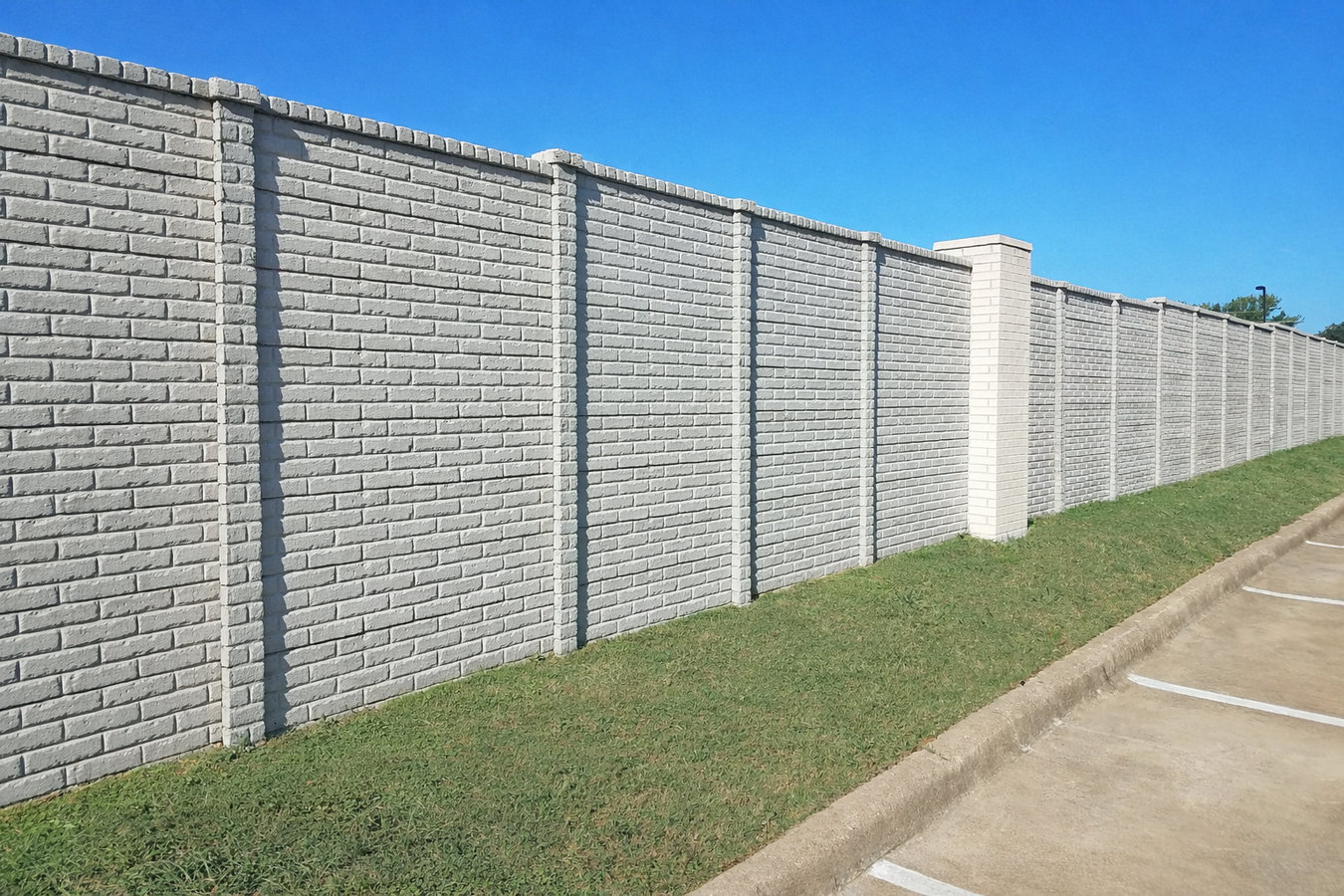
Brea Concrete & Masonry is a masonry contractor serving Anaheim, CA with concrete block walls, foundation repair, and retaining wall construction for homes ranging from the 1950s ranch tracts of west and central Anaheim to the hillside properties of Anaheim Hills. We have served the greater Anaheim area since 2018 and respond to all new requests within one business day.
Concrete block is one of the most common boundary and privacy wall materials on Anaheim properties, and the older block walls from the 1960s and 1970s are now showing cracked cores, open mortar joints, and leaning courses from decades of soil movement and thermal cycling. Anaheim Hills properties with terraced lots rely on block walls for both aesthetics and slope retention - when those walls start to shift, the drainage behind them needs to be addressed at the same time as the masonry. See our full concrete block walls service for what installation and repair involves.
Anaheim Hills was developed primarily in the 1970s through 1990s on hillside terrain that required retaining walls on nearly every lot. Many of those walls are now approaching 30 to 50 years old and were built before current drainage and reinforcement requirements. When Anaheim's wet winters saturate the clay behind underdrained walls, hydrostatic pressure is the result - and that pressure cracks block, pushes mortar out of joints, and eventually causes the wall face to lean forward. We rebuild walls with properly sized drainage cores and weep holes designed for Anaheim's rain pattern.
Most homes in central and west Anaheim are on concrete slab foundations poured during the postwar building boom - minimal reinforcement, no drainage provisions, and clay-heavy soil beneath them. After 50 to 70 years of seasonal soil expansion and contraction, those slabs develop hairline cracks that widen, slopes that show up in the flooring, and doors that stick or swing freely with the seasons. We assess the drainage and soil conditions driving the movement and address those as part of the repair, not just the crack itself.
Decorative brick on Anaheim homes - entry steps, planter walls, chimney bases, and low garden walls - has been absorbing the same UV exposure and clay soil movement as the rest of the structure for 50 or 60 years. Spalled face brick, open mortar joints, and horizontal cracking at the base are the typical signs. Anaheim's hot summers push mortar out of joints through thermal expansion, and the winter rain season drives water into every open joint before you notice it on the inside. We match existing brick and repoint or replace only what needs it.
Original concrete driveways on Anaheim's 1950s and 1960s homes were poured to the minimum standard of the era, and the expansive clay soils in much of the city have been heaving and settling those slabs ever since. Interlocking paver systems tolerate minor soil movement better than monolithic poured concrete - individual units can flex slightly without fracturing, and a heaved section can be reset without full demolition. For Anaheim homeowners who have patched the same driveway cracks multiple times, a paver installation is often the more durable answer.
Anaheim chimneys on homes from the 1950s and 1960s have been through decades of thermal cycling from the city's hot summers and cool winters, and the mortar joints on many of them are well past their service life. Santa Ana wind events - which are a regular occurrence in the Anaheim area in fall and winter - loosen caps, shift flashing, and pull apart mortar joints that were already marginal. An open joint at the chimney crown lets winter rain run straight down the flue and into the firebox, causing interior damage that is far more expensive than the chimney repair itself.
Anaheim covers roughly 50 square miles and has two very different kinds of residential terrain. Central and west Anaheim are flatland neighborhoods built mostly between the late 1940s and the 1970s - standard postwar tract homes on modest lots with slab foundations, stucco exteriors, and original concrete driveways that have been absorbing soil movement for half a century. These homes face the classic aging-housing challenges: clay soil that expands and contracts with each wet and dry season, mortar on brick and block walls that has dried past its service life, and concrete flatwork that was poured thin and without proper joint spacing. East Anaheim - the Anaheim Hills area - is a different situation entirely: hillside terrain developed from the 1970s through the 1990s, with larger homes on sloped lots that depend on retaining walls and drainage systems to manage the grade. Both housing types are well-represented in our service work.
Climate is a consistent factor across all of Anaheim. The city's summers are long and hot, and months of intense sun break down mortar joints and exterior coatings faster than in cooler climates - stucco and brick both require more frequent inspection and repointing than most homeowners expect. Anaheim also sits in the path of Santa Ana wind events, which arrive in fall and early winter and can reach 50 mph or more. Those winds are hard on anything that was already marginal: loose chimney caps, partially failed flashing, and any masonry where the mortar was already crumbling. The rainy season that follows is short but intense - concentrated storms in December through March that find every gap in a drainage system or masonry joint very quickly.
Our crew works throughout Anaheim regularly, and we understand the local conditions that affect masonry contractor work here. Structural permits run through the City of Anaheim Building Division, and we pull those permits on behalf of homeowners before any structural work begins.
Anaheim is a large city and the job conditions change depending on which part of town you are in. The flatland neighborhoods between the 91 and 22 freeways - central and west Anaheim - are compact residential streets with 1950s and 1960s ranch homes that we see regularly. Ball Road, Lincoln Avenue, and Katella Avenue are the main east-west arteries we navigate through that part of the city. Anaheim Hills is a different drive entirely - winding roads, sloped lots, and hillside properties where access and drainage are part of every job. Angel Stadium and the Platinum Triangle sit near the center of the city as useful orientation points, and the Resort District near Disneyland along Harbor Boulevard defines the western commercial edge where residential neighborhoods begin just a few blocks out.
We also serve homeowners in adjacent Orange, CA to the south, where many of the same 1950s-1970s tract homes present identical masonry repair needs. Homeowners in nearby Yorba Linda, CA to the northeast will recognize the hillside and retaining wall challenges that are also common in Anaheim Hills.
Reach us by phone or through the contact form and we will respond within one business day. A brief description of what you are seeing - cracked block, shifting wall, heaved driveway - helps us arrive prepared for the site visit.
We come to the property, walk the affected area, and give you a written line-item estimate at no charge and with no obligation. You will know the full scope and cost before any commitment - no verbal ballparks, no surprise add-ons.
For structural masonry, we handle the permit through the City of Anaheim Building Division before the crew arrives on site. We give you a written day-by-day schedule so you know when to expect us and for how long.
When the job is finished, we walk the site with you so you can see what was done and ask any questions. We explain what was repaired, what to watch for going forward, and what maintenance will keep it in good shape.
We serve Anaheim homeowners in every part of the city - from the flatland ranch neighborhoods in the west to the hillside properties in Anaheim Hills. Free on-site estimates, written quotes, and responses within one business day.
(657) 478-7492Anaheim is one of the largest cities in Orange County, with roughly 350,000 residents spread across about 50 square miles. Much of the city's residential growth happened between the late 1940s and 1980, driven by the postwar housing boom and the opening of Disneyland on Harbor Boulevard in 1955, which brought rapid commercial and residential development to the surrounding area. The western and central parts of the city are largely flat, with single-family ranch homes on modest lots built during that mid-century period. The Resort District near Disneyland and Angel Stadium - home of the Los Angeles Angels since 1966 - anchors the entertainment and commercial identity of the city, while the residential neighborhoods sit just outside those zones. For broader context on Anaheim's history and geography, the Anaheim Wikipedia article gives a good overview.
The eastern portion of Anaheim - Anaheim Hills - is a distinct community that developed primarily from the 1970s through the 1990s on the rolling terrain above the flatlands. Homes here tend to be larger, often two-story, and sit on hillside lots with retaining walls, sloped yards, and views of the surrounding hills. The contrast between old and new, flat and hillside, is one of the defining characteristics of Anaheim as a place to work. Neighboring Orange, CA to the south shares similar mid-century housing stock and clay soil conditions, and homeowners in nearby Placentia, CA just to the north deal with retaining wall and drainage challenges similar to those in Anaheim Hills.
Control erosion and shape your landscape with solid retaining walls.
Learn MoreEnhance curb appeal with beautiful, low-maintenance stone veneer.
Learn MoreEstablish a solid block wall foundation built to last for decades.
Learn MoreCreate a stunning outdoor kitchen built from quality masonry materials.
Learn MoreFrom cracked block walls and failing driveways to hillside retaining walls in Anaheim Hills, we handle the full range of masonry work across the city. Contact us for a free written estimate with no obligation.